Artificial Intelligence in Human Resource Management: Opportunities for Digital Transformation and Administrative Performance Improvement among Employees in the Palestinian Health Sector
S.A.A-H Basheer *
*
Palestinian Ministry of Health, Bethlehem, West Bank, Palestine
Submitted on 25 May 2026; Accepted on 15 June 2026; Published on 19 June 2026
To cite this article: S.A.A-H Basheer, “Artificial Intelligence in Human Resource Management: Opportunities for Digital Transformation and Administrative Performance Improvement among Employees in the Palestinian Health Sector,” Trans. Appl. Sci. Eng. Technol., vol. 2, no. 1, pp. 1-17, 2026.
Copyright: 
Abstract
This study examines the impact of artificial intelligence (AI) on human resource management (HRM) within the Palestinian healthcare sector, exploring opportunities for digital transformation and administrative performance enhancement. It aims to address the knowledge gap regarding the strategic utilization of AI to improve the efficiency of administrative operations by enhancing institutional communication, motivating employees, and increasing productivity. A mixed-methods approach (concurrent triangulation) was employed, integrating quantitative data (an electronic questionnaire administered to 75 participants from HR departments and hospitals) and qualitative data (43 Delphi-method expert and manager interviews from within and outside Palestine). A systematic literature review was conducted following the Preferred Reporting Items for Systematic Reviews and Meta-Analyses (PRISMA) model, with data analyzed using the Statistical Package for the Social Sciences (SPSS) version 16 and qualitative data analysis MAXQDA version 2020.
The findings indicate that successful AI adoption hinges on developing digital skills, enhancing institutional awareness, and providing suitable technical infrastructure. Limited variation in participant responses based on gender or age was observed, reflecting the greater influence of institutional over demographic factors. Key challenges identified include insufficient digital competencies, high costs, and the absence of regulatory legislation. The study recommends formulating a comprehensive national strategy focused on capacity building, policy development, and partnership enhancement.
Practically, a three-phase digital transformation roadmap is proposed: infrastructure development, capacity building, and periodic performance evaluation. Suggestions include revising job description cards, developing tools to measure return on investment (ROI) in AI, and fostering administrative innovation. The study concludes with future research recommendations encompassing comparative studies and sustainable analyses focusing on psychological and behavioral dimensions of HR automation.
Keywords: artificial intelligence; human resource management; digital transformation; administrative performance; predictive analytics; data-driven decision making
Abbreviations: AI: artificial intelligence; HRM: human resource management; PRISMA: Preferred Reporting Items for Systematic Reviews and Meta-Analyses; SPSS: Statistical Package for the Social Sciences; ROI: return on investment; VIF: variance inflation factor; TTR: Type-Token Ratio; KPIs: key performance indicators; DPO: data protection officer; NLP: natural language processing; ATS: applicant tracking system
1. Introduction
The human element constitutes a fundamental pillar of any organization, encompassing the employees who contribute to achieving its goals and advancing its development. These individuals possess the skills, experience, and competencies that enable them to perform their tasks efficiently [1].
Human resource management (HRM) represents a central axis in institutional leadership, encompassing all processes related to employee recruitment, development, administration, and motivation. It aims to achieve organizational objectives through effective management that enhances organizational performance and ensures compliance with regulations. Its fields include planning, recruitment, training, evaluation, wage management, and healthcare [2].
The year 2023 witnessed remarkable growth in generative artificial intelligence (AI), driven by intense competition among major technology companies, prompting various countries to establish regulatory frameworks to mitigate its risks. The year 2024 is expected to bring qualitative leaps in multimodal generative models that simulate human perception, along with their integration with quantum computing, potentially opening unprecedented horizons and introducing new challenges [3].
With the increasing reliance on AI, challenges related to cybersecurity and privacy protection have become more pronounced, pushing governments and institutions to strengthen legislative measures. Among the key trends anticipated for 2025 are enhancing collaboration between humans and machines to improve productivity; adopting internal governance policies for managing data-related risks; and developing mechanisms for model training [4].
Despite the vast potential of AI, a noticeable gap persists among countries and institutions in its development due to limited trust in deep learning models and the high cost of training. The year 2025 is expected to witness a shift toward comprehensive strategies that address these challenges and promote secure integration between human and machine intelligence [5].
This study seeks to analyze the impact of employing AI in HRM within the Palestinian healthcare sector. It aims to answer the following question: Does AI improve the efficiency of HR operations, the effectiveness of communication, and the level of employee motivation? The study is expected to provide new scholarly insights that shed light on opportunities for digital transformation and to propose practical mechanisms for decision-makers to maximize the utilization of human and technological capabilities.
1.1. Research questions and hypotheses
Based on the foregoing and in pursuit of the study’s objectives, which adopted a mixed-methods approach, qualitative questions were developed to explore opinions and experiences; alongside quantitative hypotheses designed to test theories and generalize results.
1.1.1. Qualitative questions
The research problem is articulated in the following main question:
“What is the role of AI in HRM, particularly regarding digital transformation opportunities and the enhancement of administrative performance among employees in the Palestinian healthcare sector?”
This central inquiry focuses on operational efficiency, communication effectiveness, employee motivation, and productivity. From it, the following sub-questions emerge:
- What AI technologies are applicable within this context?
- What are the benefits of applying these technologies in HRM?
- What challenges hinder their implementation?
- What are the possible strategies for effective implementation?
- What is their expected impact on operational efficiency, communication effectiveness, employee motivation, and productivity?
1.1.2. Quantitative questions
The study seeks to explore the reality of AI applications in managing human resources within the Palestinian healthcare sector and to analyze their relationship with administrative performance, taking into account demographic variables. The quantitative research questions are as follows:
- What is the current state of AI applications from the perspective of healthcare employees?
- To what extent does AI contribute to enhancing administrative performance?
- Are there statistically significant differences in respondents’ perceptions regarding:
- The current state of AI applications (opportunities for digital transformation, uses, and obstacles),
- The level of its contribution to administrative performance,
- According to demographic variables (gender, age, educational level, nature of workplace, and years of experience)?
- Is there a correlation between the reality of AI applications and the level of their contribution to administrative performance?
- Is there a statistically significant effect of AI application practices on enhancing performance, including:
- The effect of digital transformation opportunities,
- The effect of AI use, and
- The effect of obstacles?
1.1.3. Quantitative hypotheses
The following null hypotheses are proposed at a significance level of α ≤ 0.05:
- There are no statistically significant differences in participants’ responses regarding the reality of AI (opportunities, uses, and obstacles) and the level of administrative performance, based on demographic variables.
- There are no statistically significant differences in participants’ responses regarding the level of AI’s contribution to administrative performance, based on demographic variables.
- There is no correlation between the reality of AI applications and the level of their contribution to performance.
- There is no statistically significant effect of AI applications on performance enhancement, specifically:
- No effect of digital transformation opportunities,
- No effect of AI uses, and
- No effect of obstacles.
1.2. Research objectives
This study seeks to analyze the impact of AI technologies on administrative performance within the Palestinian healthcare sector through the following objectives:
- To assess the effect of AI on HRM and the enhancement of its efficiency.
- To identify the most applicable AI technologies within healthcare institutions.
- To explore the benefits of adopting these technologies and their implications for the quality of administrative performance and service delivery.
- To diagnose the organizational and technical challenges that hinder their integration.
- To propose practical mechanisms to facilitate their effective implementation.
- To measure their impact on the efficiency of administrative functions, including recruitment, evaluation, and performance management.
- To analyze their role in improving the flow of information between management and employees.
- To evaluate their contribution to enhancing employee motivation levels.
- To examine their influence on both individual and collective productivity.
1.3. Significance of the study
This study holds dual significance - scientific and practical. On the scientific level, it addresses a research gap in the field of AI applications within Palestinian healthcare HRM. It provides developmental insights for improving administrative performance through the formulation of analytical models that link digital technologies to operational efficiency, the enhancement of institutional communication, and the strengthening of workforce productivity, thus contributing to enriching the theoretical foundation of the field. On the practical level, its significance lies in offering actionable and implementable recommendations that enhance the quality of healthcare services, elevate institutional performance, develop employees’ digital competencies, and promote a culture of administrative innovation. Ultimately, these outcomes contribute to achieving administrative sustainability and generating mutual benefits for both employees and patients.
1.4. Scope and delimitations of the study
This study is thematically limited to examining the role of AI in HRM for improving administrative performance through digital transformation within the Palestinian healthcare sector. It is temporally confined to the year 2024 and spatially to the West Bank. Conceptually, it adheres to the definitions established within its theoretical framework. Procedurally, the study relied on a questionnaire administered to HR employees, as well as interviews conducted with AI experts and directors of administrative and financial affairs. Methodologically, a systematic review was employed following the Preferred Reporting Items for Systematic Reviews and Meta-Analyses (PRISMA) model, focusing on studies published between 2020 and 2024 in reputable scientific databases such as Scopus, PubMed, and IEEE, owing to their abundance of relevant research, academic rigor, and alignment with the study’s central theme.
2. Methodology
This chapter presents the study’s methodology, its population and sample, as well as the process of constructing the research instruments and verifying their validity and reliability. It also outlines the procedures followed and the methods used for the qualitative and quantitative data analysis to derive and interpret the study’s findings.
2.1. Methods
The study adopted a mixed-methods approach employing the convergent parallel design to collect and analyze both qualitative and quantitative data simultaneously, thereby enhancing the comprehensiveness and precision of interpretation in alignment with the study’s problem and objectives [6]. On the quantitative side, the study model was developed, and hypotheses were formulated based on a systematic review of the relevant literature. Data were collected through a specialized electronic questionnaire distributed among a sample drawn from the administrative and financial affairs departments, as well as HR departments, within the Palestinian healthcare sector. On the qualitative side, a systematic review was conducted utilizing the Rayyan tool [7].
2.2. Study population and sample
The study population consisted of senior administrative personnel in Palestinian hospitals, totaling 122 employees. The sample size was determined using the modified Cochran formula [8], resulting in a sample of 93 participants. Data were collected through an electronic questionnaire distributed via the Jotform platform [9], of which 75 valid responses were retrieved for analysis. As for the qualitative study population, it included AI experts, directors of administrative and financial affairs, and HR managers. The interviews were conducted using the Delphi method through Zoom and Google Meet platforms, engaging 43 participants from Palestine, several Arab countries, Germany, the Maldives, and Pakistan [10].
2.3. Sources of data collection
The study relied on two sources: 1) Secondary sources, including scientific books, research studies, statistical reports, articles, and electronic websites, which contributed to the development of the conceptual framework. 2) Primary sources, namely the questionnaire and interviews, were collected to test the study’s hypotheses. A systematic review was conducted following the PRISMA model through two main phases [11]. In the first phase, the researcher individually reviewed the titles and abstracts of 280 published studies from the years 2020–2024, retrieved from reputable scientific databases such as Scopus, PubMed, IEEE, ResearchGate, SciSpace, SpringerLink, IGI-Global, and Academia.edu. Rigorous inclusion and exclusion criteria were applied to assess the alignment of these studies with the themes of healthcare, employee performance, and digital transformation. The reasons for inclusion or exclusion were documented for each study, resulting in 35 studies being approved as relevant and included in the final analysis (Figure 1).
In the second phase, a collaborative review was conducted by the researcher in cooperation with two reviewers, examining the titles, abstracts, and full texts of 37 published studies from the period 2021–2024. Comprehensive objective, methodological, and geographical criteria were applied to assess the alignment of these studies with the research standards. The reasons for inclusion or exclusion were documented through detailed notes and comments. As a result, 30 studies were approved, those that specifically addressed the applications of AI in HRM and administrative performance within the healthcare sector and comparable environments (Figure 2).
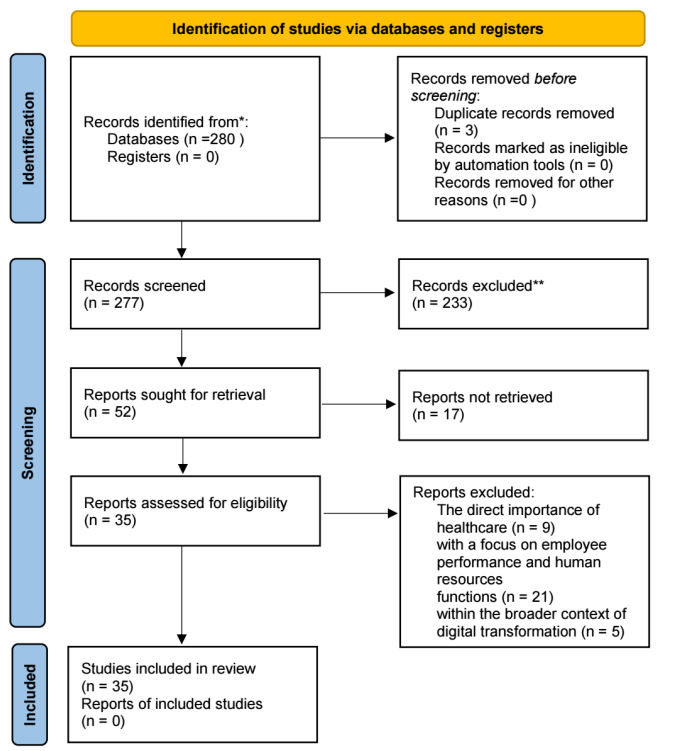
FIGURE 1: PRISMA model for the first step of the review.
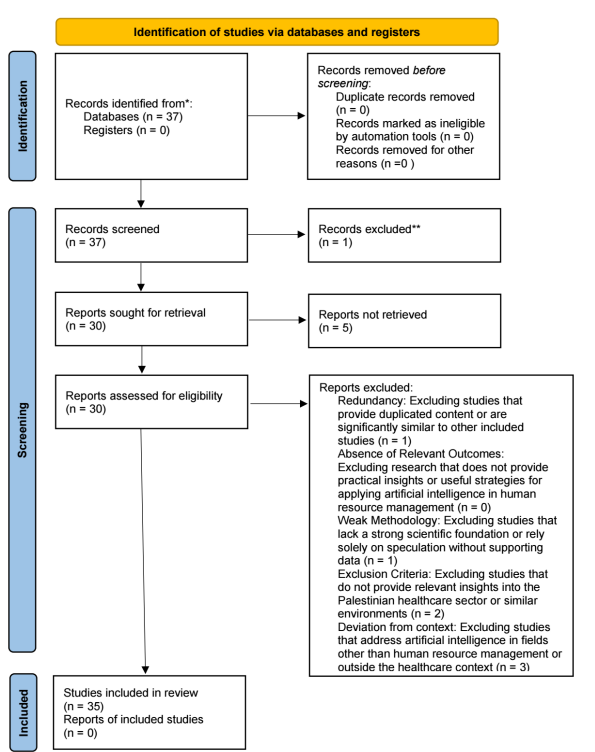
FIGURE 2: PRISMA model for the second step of the review.
This methodological approach strengthens the presentation of a rigorous scientific review that highlights the most recent research on the applications of AI in HRM within the Palestinian healthcare sector, thereby enhancing the accuracy of the results and the depth of understanding achieved regarding the subject.
2.4. Study model and procedures
The final version of the questionnaire consisted of 71 items, divided into two sections: 1) Section one: Demographic characteristics of the sample (9 items). 2) Section two: The two main dimensions of the study (62 items): a) First dimension: The role of AI, measuring digital transformation opportunities, the use of AI, and implementation barriers. B) Second dimension: Employees’ administrative performance. A five-point Likert scale was employed [12]. The interview instrument comprised 28 questions, structured according to the Delphi methodology, and organized around key themes such as the impact of AI on operational efficiency, employee motivation, and technological challenges.
3. Results
This methodological presentation paves the way for data analysis through an integrated review of the quantitative and qualitative results, thereby enhancing understanding of the study’s dimensions and contributing to the achievement of its research objectives.
3.1. The results related to the questionnaire questions
This study focuses on analyzing the role of AI in enhancing the administrative performance of employees in the Palestinian healthcare sector through three main dimensions: digital transformation opportunities in HRM, the utilization of AI in HR functions, and the barriers limiting its implementation. This chapter presents the analysis of the study’s data, the participants’ responses, and the hypothesis testing, in alignment with the research objectives.
3.1.1. Section one: The results related to the first question, which states, "What is the reality of the role of artificial intelligence in human resource management in the Palestinian health sector from the employees' point of view?"
To address this question, the analysis was conducted using arithmetic means and standard deviations to measure the level of agreement and the consistency of the sample’s responses. The results indicated that the respondents’ assessments of digital transformation opportunities were moderate, with an overall mean score of 3.354. The fifth item (attendance and departure management) ranked first, with a high mean of 4.507 and a low standard deviation of 0.601. It was followed by the seventh item (performance evaluation monitoring), which recorded a mean of 3.840 and a standard deviation of 0.698. In contrast, the ninth item (monitoring natural language processing technologies) ranked last, with a low mean of 2.333.
The axis of using artificial intelligence
The level of AI utilization recorded a high overall mean of 3.762. The two items, 17-maintaining and developing peer relationships and 8-enhancing data accuracy and reducing errors, ranked first, both with an equal mean of 3.947, though responses showed some variation, with standard deviations of 0.928 and 0.985, respectively. Conversely, the items 11, 3, 21, 10, and 7, related to enhancing administrative accountability, improving performance management, managing compensation, promoting employee well-being, and motivating distinguished employees, registered moderate levels, with means ranging between 3.44 and 3.64.
The axis of obstacles to applying artificial intelligence
The results revealed a high level of implementation barriers, with an overall mean of 3.925 and a low standard deviation of 0.561, indicating a high degree of consistency among participants’ evaluations. The second item (high implementation and maintenance costs) ranked first, with a mean of 4.160, followed by the tenth item (lack of expertise in AI) with a mean of 4.107, and the ninth item (weak infrastructure) with a mean of 4.093. In contrast, the eighth item (cybersecurity issues) ranked lowest, with a mean of 3.667, yet it remained within the high-level category.
The overall level of the reality of the role of artificial intelligence
The overall status of the role of AI in HRM recorded a high level, with an overall mean of 3.70. The implementation barriers dimension ranked first, with a mean of 3.92 and a standard deviation of 0.56, followed by the AI utilization dimension, which achieved a mean of 3.76 and a standard deviation of 0.93. In contrast, the digital transformation opportunities dimension ranked last, with a moderate mean of 3.35, reflecting a relative variation in participants’ assessments of the availability of opportunities compared to levels of utilization and perceived barriers (Table 1).
TABLE 1: The arithmetic means and standard deviations for the sub-axes and the overall level of the reality of the role of artificial intelligence in human resource management in the Palestinian health sector from the employees' point of view, (n=75).
|
No. |
Sub-axis |
Mean of response* |
Standard deviation |
Level |
Rank |
|
1 |
The axis of digital transformation opportunities in human resource management. |
3.3544 |
0.61070 |
Medium |
3
|
|
2 |
The axis of using artificial intelligence in human resource management |
3.7621 |
0.93160 |
High |
2 |
|
3 |
The axis of obstacles to the application of artificial intelligence. |
3.9251 |
0.56115 |
High |
1 |
|
|
The overall level of the reality of the role of artificial intelligence. |
3.7067 |
0.63156 |
High |
|
*The maximum response score is 5 points. **The three-equal division was used for the values of the levels (high: 3.67-5, medium: 2.34-3.66, low: 1-2.33).
The analysis of arithmetic means and standard deviations indicated that participants’ evaluations fell within the moderate level, with mean scores ranging between 3.48 and 3.55, and standard deviations between 0.53 and 0.587, reflecting an acceptable degree of consistency in responses. The employee awareness dimension recorded the highest mean of 3.524, followed by the barriers dimension with a mean of 3.507, then the intervention contribution dimension at 3.503, and finally the psychological characteristics dimension at 3.499. The overall mean reached 3.508, with a standard deviation of 0.409, indicating a moderate perception of the role of AI.
3.1.2. Section two: The results related to the second question, which states, "What is the level of contribution of artificial intelligence in improving the administrative performance of human resource management employees in the Palestinian health sector from their point of view?"
To determine the extent of AI’s contribution to improving the administrative performance of HRM employees in the Palestinian healthcare sector, the analysis was conducted using arithmetic means and standard deviations. The results indicated that the overall level of contribution was high, with an overall mean of 3.894. The tenth item (developing a culture of continuous learning) and the third item (providing modern equipment and strong communication networks) ranked first, each with an equal mean of 4.000. These were followed by the seventh item (providing analytical tools for performance evaluation), which recorded a mean of 3.973. In contrast, the fourth item (securing financial support for system development) ranked last, with a mean of 3.747, while all items remained within the high evaluation level.
3.1.3. Section three: The results related to the third question, which states: "Are there statistically significant differences in the respondents' responses regarding the reality of artificial intelligence applications in its dimensions (opportunities for digital transformation in human resource management, uses of artificial intelligence in human resource management, obstacles to the application of artificial intelligence in human resource management), as well as regarding the level of its contribution to enhancing the administrative performance of employees in the Palestinian health sector, attributable to demographic variables?"
The results revealed no statistically significant differences in participants’ responses regarding the applications of AI and their impact on administrative performance across the demographic variables of age, gender, workplace, experience, and educational level. This finding reflects a shared cognitive alignment and a common professional awareness of the role of AI within the healthcare work environment. Moreover, the results reinforce the hypothesis of the existence of a unified digital culture within the Palestinian healthcare sector, indicating a comparable level of understanding of modern technologies among employees (Tables 2-5).
TABLE 2: Results of the one-way analysis of variance (ANOVA) test for the differences in the degree of the role of artificial intelligence attributed to demographic variables.
|
Variable |
Degrees of freedom |
Calculated F-value |
Statistical significance |
|
Age |
74 |
0.879 |
0.419 |
|
Educational level |
74 |
0.421 |
0.736 |
|
Nature of workplace |
74 |
0.274 |
0.761 |
|
Years of experience |
74 |
0.835 |
0.438 |
TABLE 3: Results of the T-Test for the differences in the degree of the role of artificial intelligence attributed to the gender variable.
|
Variable |
Degrees of freedom |
Calculated t-value |
Statistical significance |
|
Gender |
73 |
-0.808 |
0.421 |
TABLE 4: Results of the one-way analysis of variance (ANOVA) test for the significance of the differences in the respondents' responses regarding the level of contribution of artificial intelligence in improving administrative performance according to demographic variables.
|
Variable |
Degrees of freedom |
Calculated F-value |
Statistical significance |
|
Age |
74 |
0.519 |
0.597 |
|
Educational level |
74 |
1.735 |
0.168 |
|
Nature of workplace |
74 |
1.720 |
0.186 |
|
Years of experience |
74 |
0.109 |
0.897 |
TABLE 5: Results of the independent samples T-Test for the significance of the differences regarding the level of contribution of artificial intelligence in improving administrative performance according to the gender variable.
|
Variable |
Degrees of freedom |
Calculated t-value |
Statistical significance |
|
Gender |
73 |
0.948 |
0.346 |
3.1.4. Section four: The results related to the fourth question, which states: "Is there a statistically significant correlation between the reality of the role of artificial intelligence in its axes (opportunities for digital transformation in human resource management, the use of artificial intelligence in human resource management, and the obstacles to applying artificial intelligence in human resource management) and the level of administrative performance among employees in the Palestinian health sector?"
To test the null hypothesis of no relationship (α ≤ 0.05), the Pearson correlation coefficient was applied. The results revealed a strong positive correlation between the two study variables (r = 0.618, p = 0.000), indicating that an increase in the adoption of AI technologies is associated with an improvement in administrative performance evaluations. This correlation can be attributed to the contribution of these technologies in enhancing productivity, reducing errors, and alleviating occupational pressures, thereby strengthening overall performance efficiency (Table 6).
TABLE 6: Pearson’s correlation coefficients (r) between the overall reality of artificial intelligence role and the level of administrative performance among employees in the Palestinian health sector (N = 75).
|
|
The overall level of the role of artificial intelligence |
The overall level of performance of employees in the Palestinian health sector |
|
|
The overall level of the role of artificial intelligence |
R-value |
1 |
0.618** |
|
|
Significance |
|
0.000 |
|
The overall level of performance of employees in the Palestinian health sector |
R-value |
0.618** |
1 |
|
|
Significance |
0.000 |
|
**. Correlation is significant at the 0.01 level (2-tailed). This means that the probability of this relationship occurring by chance is only 1%, and it indicates that the test examined the probability in both directions, whether positive or negative.
3.1.5. Section five: The results related to the fifth question, which states: "Is there a statistically significant effect of the role of artificial intelligence in its axes (opportunities for digital transformation in human resource management, the use of artificial intelligence in human resource management, and the obstacles to applying artificial intelligence in human resource management) in improving the administrative performance of employees in the Palestinian health sector?"
Sub-questions were derived to examine the effect of each dimension individually. To test the hypotheses, the suitability of the data for regression analysis was verified through several statistical checks. The normal distribution of the data was confirmed, with skewness values ranging between –0.621 and –0.279 and kurtosis values between –0.483 and –0.183. The multicollinearity test also indicated acceptable levels, with variance inflation factor (VIF) values ranging between 1.712 and 1.846, and tolerance values between 0.542 and 0.584. However, the “AI utilization” dimension was excluded due to unacceptable tolerance values, which violated the assumptions required for valid regression analysis (Tables 7 and 8).
A multiple regression analysis was conducted to test the null hypothesis asserting the absence of an effect for the two dimensions: digital transformation opportunities and implementation barriers. The results indicated a moderate positive relationship (R = 0.419), with the model explaining 17.6% of the variance (R² = 0.176). The F-value was 7.679, which was statistically significant at α ≤ 0.05. The regression coefficients revealed a significant positive effect for both dimensions, Beta = 0.228 for digital transformation opportunities and Beta = 0.292 for implementation barriers, thereby confirming the rejection of the null hypothesis (Table 9).
TABLE 7: Results of the normal distribution test (skewness and kurtosis) for the independent variables' data.
|
Variable |
Axes |
N |
Skewness coefficient |
Kurtosis coefficient |
|
Independent variable (role of artificial intelligence) |
Axis of digital transformation opportunities in human resource management |
75 |
-0.101 |
-0.483 |
|
Axis of using artificial intelligence in human resource management |
75 |
-0.621 |
-0.418 |
|
|
Axis of obstacles to the application of artificial intelligence |
75 |
0.279 |
-0.183 |
|
|
Role of artificial intelligence as a whole |
75 |
-0.409 |
-0.390 |
TABLE 8: Results of the multicollinearity test for the independent variables a.
|
Independent variables b |
Tolerance |
Variance inflation factor (VIF) |
|
Axis of digital transformation opportunities in human resource management |
0.542 |
1.846 |
|
Axis of obstacles to the application of artificial intelligence |
0.584 |
1.712 |
|
Role of artificial intelligence |
0.361 |
2.771 |
a Dependent variable: Axis of employee performance in the Palestinian health sector. b Excluded variables: Axis of using artificial intelligence in human resource management, the value of the tolerance test = 0.000 at the limit.
TABLE 9: Results of multiple regression analysis of the effect of the role of artificial intelligence in improving administrative performance.
|
Independent variables |
Model indicators |
Regression coefficient |
||||||
|
R |
R2 |
Adj.R2 |
F |
Sig.F |
t* |
Sig.t |
Beta |
|
|
Axis of digital transformation opportunities in human resource management |
0.419a |
0.176 |
0.153 |
7.679 |
0.001b |
2.041* |
0.045 |
0.228 |
|
Axis of obstacles to the application of artificial intelligence |
2.609* |
0.011 |
0.292 |
|||||
|
aDependent variable: Axis of employee performance in the Palestinian health sector |
||||||||
|
*Statistically significant at the significance level (α ≤ 0.05). |
||||||||
Using simple regression analysis, the effect of the digital transformation opportunities dimension was tested. The results indicated a moderate positive relationship (R = 0.313) with an explanatory power of 9.8% (R² = 0.098). The F-value was 7.92, which was statistically significant at α ≤ 0.05. The regression coefficient Beta = 0.313 was also found to be statistically significant, confirming the existence of a meaningful effect of digital transformation opportunities on administrative performance (Table 10).
TABLE 10: Results of the simple regression analysis of the effect of the role of artificial intelligence (the axis of digital transformation opportunities in human resource management) in improving administrative performance.
|
Independent variables |
Model indicators |
Regression coefficient |
||||||
|
R |
R2 |
Adj.R2 |
F |
Sig.F |
t* |
Sig.t |
Beta |
|
|
The axis of digital transformation opportunities in human resource management. |
0.313a |
0.098 |
0.086 |
7.920 |
0.006b |
2.814* |
0.006 |
0.313 |
|
aDependent variable: Axis of employee performance in the Palestinian health sector |
||||||||
|
*Statistically significant at the significance level (α ≤ 0.05). |
||||||||
To test the null hypothesis asserting the absence of an effect for the implementation barriers dimension, simple regression analysis was employed to measure its impact on administrative performance. The analysis results revealed a moderate positive relationship between AI implementation barriers and the improvement of administrative performance (R = 0.358). The regression model explained 12.8% of the variance (R² = 0.128), with an F-value of 10.73, which was statistically significant at α ≤ 0.05. The regression coefficient Beta = 0.358 indicated a significant positive effect, leading to the rejection of the null hypothesis in favor of the alternative hypothesis, which asserts the existence of a significant effect of this dimension on the development of administrative performance among employees in the Palestinian healthcare sector (Table 11).
TABLE 11: Results of the simple regression analysis of the effect of the role of artificial intelligence (the axis of obstacles to applying artificial intelligence in human resource management) in improving administrative performance.
|
Independent variables |
Model indicators |
Regression coefficient |
||||||
|
R |
R2 |
Adj.R2 |
F |
Sig.F |
t* |
Sig.t |
Beta |
|
|
The axis of obstacles to applying artificial intelligence in human resource management. |
0.358a |
0.128 |
0.116 |
10.73 |
0.002b |
*3.276 |
0.002 |
0.358 |
|
aDependent variable: Axis of employee performance in the Palestinian health sector |
||||||||
|
*Statistically significant at the significance level (α ≤ 0.05). |
||||||||
3.2. The results related to the interview questions
The responses of Arab experts in AI within the healthcare sector, along with those of directors of administrative and financial affairs and HR managers in hospitals, were analyzed using the Delphi methodology. This process yielded qualitative findings, the analysis and discussion of which were conducted in accordance with the study’s objectives and established methodological standards.
3.2.1. Section one: respondent's profile
The responses of the sample, comprising Arab experts in AI within the healthcare sector, directors of administrative and financial affairs, and HR managers, were analyzed, revealing qualitative variation within the group. Males constituted 60% of the participants, compared to 40% of the females. The sample was predominantly concentrated in Palestine, with 37 respondents, representing the majority, alongside limited representation from other countries. This distribution highlights the study’s specific focus on the Palestinian healthcare sector, while also allowing for international comparative insights. The results further demonstrated a balanced distribution among the participants, with 15 directors of administrative and financial affairs, 14 AI experts, and 14 HR managers, reflecting the comprehensive range of roles contributing to digital transformation efforts. Additionally, 74% of respondents possessed more than ten years of professional experience, reinforcing the depth of expertise and the reliability of the analysis concerning healthcare management and AI applications.
3.2.2. Section two: Understanding the impact of artificial intelligence on the efficiency of operations in human resource management
Section two examined the impact of AI on the efficiency of HRM processes, highlighting the HR functions most reliant on it, recruitment and selection, learning and development, performance management, HR planning, career planning, job evaluation, and compensation. The section demonstrated how AI enhances operational efficiency through résumé analysis, automated performance evaluation, adaptive learning, and the automation of routine tasks, utilizing tools such as intelligent recruitment systems, performance evaluation platforms, and learning management systems. Furthermore, it identified key implementation challenges within Palestinian healthcare institutions, including weak infrastructure, shortages of skilled personnel, high implementation costs, cybersecurity and privacy risks, and resistance to change. To address these challenges, the section proposed solutions such as investing in infrastructure, developing workforce competencies, enforcing data protection policies, and promoting a culture of innovation (Figure 3).
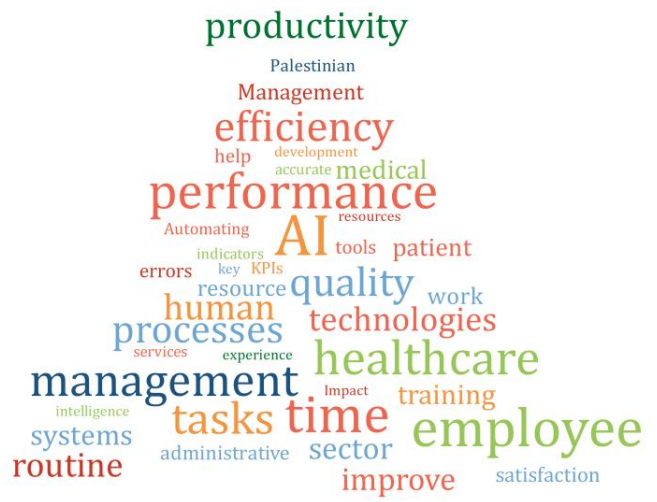
FIGURE 3: AI's impact on HRM efficiency. The Type-Token Ratio (TTR) was recorded at 0.1029, with a total word count of 2550 words.
3.2.3. Section three: enhancing the effectiveness of communication between management and employees
Section three explored the role of AI in enhancing communication effectiveness between management and employees within healthcare institutions, emphasizing its capacity to strengthen internal communication through automating interactions, analyzing data, and providing rapid, multi-channel communication platforms such as chatbots, sentiment analysis systems, and personalized information delivery, thereby promoting greater transparency. The section highlighted the contribution of AI-powered tools, including collaboration platforms, automated feedback systems, text and voice analysis, and knowledge databases, in fostering transparent communication, interactive engagement, and employee satisfaction. Furthermore, it underscored the anticipated role of AI in enhancing the employee experience by improving information flow, facilitating interaction with management, creating a more flexible and efficient work environment, simplifying workflows, automating routine tasks, and providing continuous feedback, ultimately leading to increased job satisfaction (Figure 4).
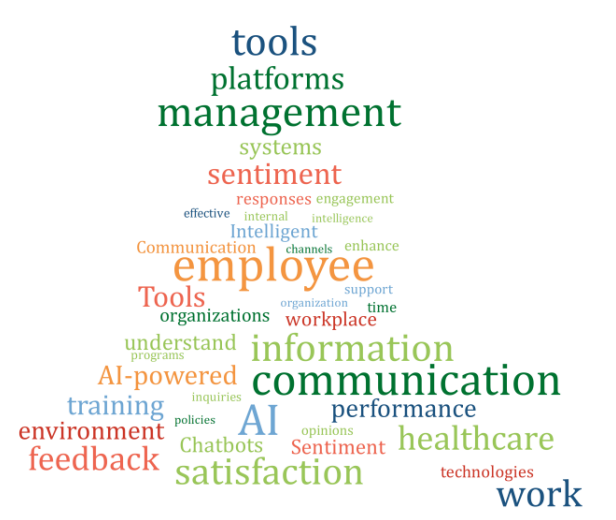
FIGURE 4: Improving manager-employee communication. The Type-Token Ratio (TTR) was measured at 0.1329, based on a total of 2135 words.
3.2.4. Section four: the level of employee motivation
Section four examined the level of employee motivation, demonstrating that AI enhances motivation among employees in the Palestinian healthcare sector by personalizing tasks, training, and rewards, improving work–life balance, and strengthening the sense of belonging, thereby leading to higher job satisfaction and productivity. It also provides new opportunities for continuous learning through personalized training programs that analyze strengths and weaknesses, deliver tailored educational content, and employ interactive learning methods, thus fostering efficiency, innovation, and talent retention. To address resistance to change, the section recommends enhancing transparency and continuous communication, engaging employees in decision-making, and offering targeted support and specialized training, while emphasizing the benefits of AI adoption in improving efficiency and the quality of professional life (Figure 5).
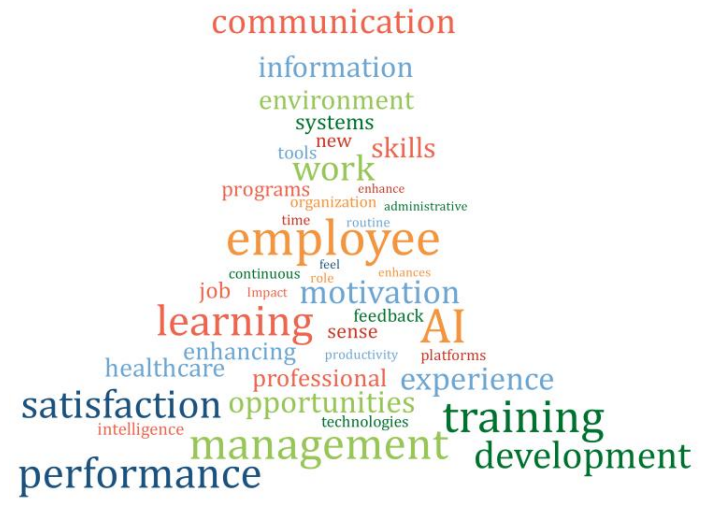
FIGURE 5: Staff motivation level. The Type-Token Ratio (TTR) was calculated at 0.1008, based on a total of 2467 words.
3.2.5. Section five: enhancing employee productivity
Section five explored the role of AI in enhancing employee productivity, emphasizing its capability to increase efficiency through the automation of routine processes, the application of key performance indicators (KPIs), reducing wasted time, and improving quality. It also highlighted AI’s effectiveness in analyzing big data, detecting errors, providing strategic recommendations, and fostering continuous improvement, ultimately leading to higher job satisfaction and cost savings. In the healthcare sector, AI contributes to boosting productivity through résumé analysis, interview evaluation, automation of early diagnosis, personalized treatment, and the management of medical records and inventory, thereby improving both the quality of healthcare services and operational efficiency (Figure 6).
3.2.6. Section six: technical challenges and applications
Section six addressed the technical challenges and applications, revealing the main obstacles facing the implementation of AI in HRM within Palestinian healthcare institutions. These include weak infrastructure, insufficient and inconsistent data, cybersecurity and privacy risks, difficulty integrating with existing systems, lack of technical expertise, high costs, resistance to change, and legislative ambiguity. To overcome data security challenges, the study proposes establishing a comprehensive data protection framework, implementing robust encryption mechanisms, appointing a data protection officer (DPO), conducting regular security assessments, and fostering a culture of cybersecurity awareness. Addressing the skills gap requires assessing training needs, designing specialized, practice-oriented training programs, offering adaptive learning platforms, motivating employees, promoting a culture of innovation, collaborating with universities, and gradually integrating technologies into daily tasks (Figure 7).
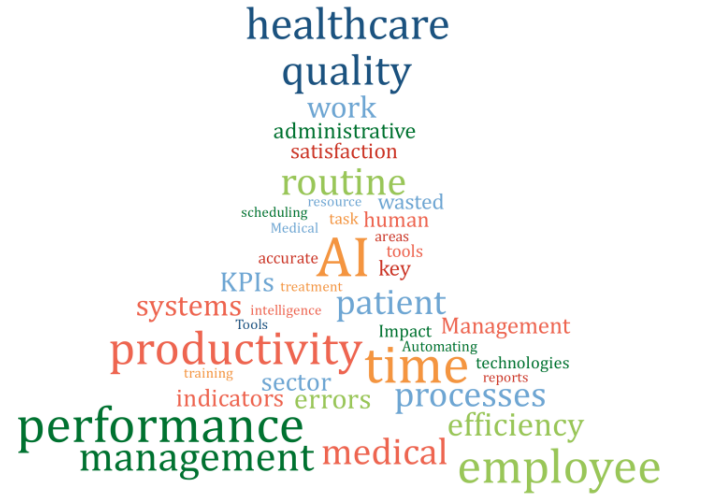
FIGURE 6: Improving employee productivity level. The Type-Token Ratio (TTR) was measured at 0.1251, based on a total of 2065 words.
3.2.7. Section seven: benefits of AI adoption in Palestinian healthcare HRM
Section seven addressed the benefits of adopting AI technologies in HRM within the Palestinian healthcare sector, where the analysis of participants’ responses and the word cloud highlighted the role of AI in enhancing internal communication, transparency, employee experience, motivation, professional training development, and economic efficiency in the Palestinian healthcare system. These benefits are achieved through the automation of interactions and routine tasks, analysis of data, emotions, and behaviors, and the provision of fast, multi-channel communication tools such as chatbots, collaboration platforms (e.g., Microsoft Teams, Slack), intelligent surveys, and customized training programs. Additionally, AI-based performance evaluation, targeted rewards, and clear career paths contribute to improving operational efficiency. AI further supports the personalization of information and tasks, early detection of problems, prediction of employee turnover, and increased transparency, satisfaction, productivity, and organizational commitment. Moreover, it contributes to reducing time, operational costs, and errors, while enhancing strategic planning and decision-making, achieving high returns on investment, and improving the overall efficiency of healthcare operations and systems (Figure 8).
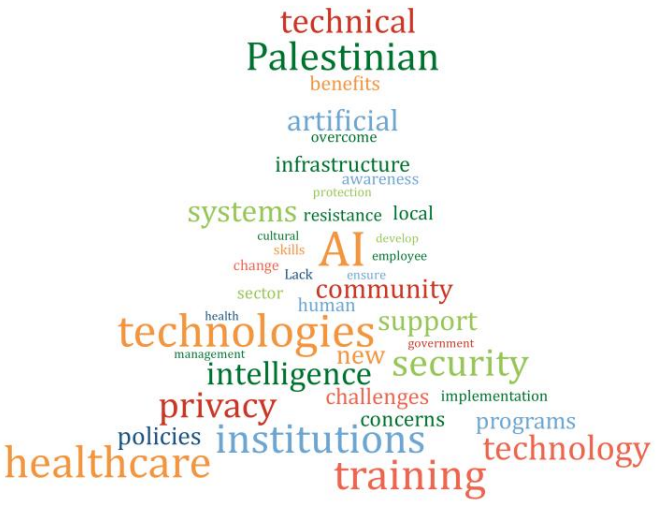
FIGURE 7: Technical challenges and applications. The Type-Token Ratio (TTR) was recorded at 0.0578, based on a total of 4619 words.
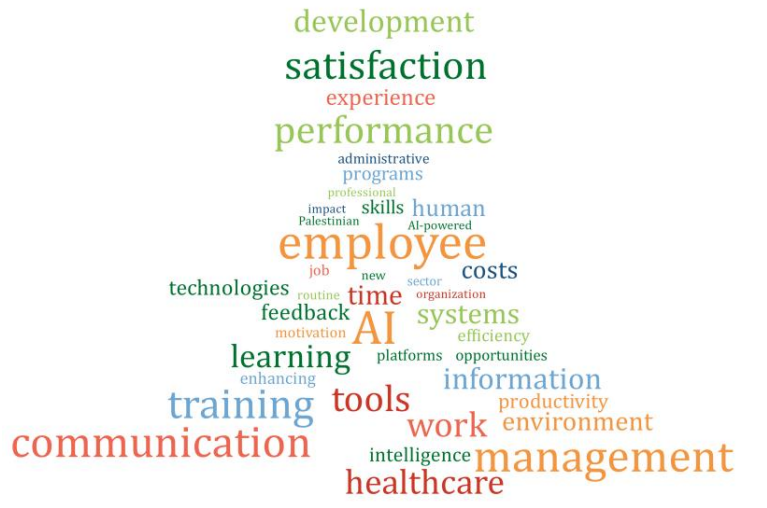
FIGURE 8: AI benefits Palestinian health HR. The Type-Token Ratio (TTR) was calculated at 0.0726, based on a total of 3599 words.
3.2.8. Section eight: AI technologies for Palestinian healthcare HRM
Section eight discussed the AI technologies applicable to HRM in the Palestinian healthcare sector. The analysis revealed a focus on key concepts that reflect the role of intelligent technologies in developing various HRM functions, particularly in planning, data analysis, recruitment and selection, performance management, learning and development, and employee motivation. The findings further highlighted AI’s contribution to enhancing efficiency and productivity through the automation of routine tasks, résumé analysis, performance prediction, design of customized training programs, and the provision of continuous feedback, all of which contribute to capacity development and the achievement of strategic goals within the Palestinian healthcare sector (Figure 9).
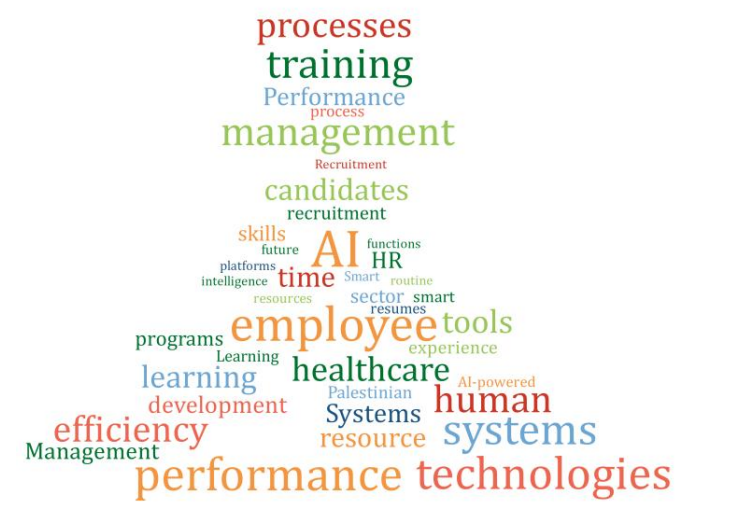
FIGURE 9: AI in Palestinian health HR. Type-Token Ratio (TTR) = 0.1027, word count = 2366 words.
3.2.9. Section nine: AI implementation strategies in Palestinian healthcare HRM
Section nine addressed the strategies for implementing AI technologies in HRM within the Palestinian healthcare sector. The analysis revealed that AI plays a pivotal role in advancing professional training and employee motivation, thereby strengthening efficiency, productivity, and organizational commitment through tailored training programs, performance assessment, and interactive learning methods, including virtual reality applications. It also underscored the importance of transparent communication and employee engagement in decision-making to mitigate resistance to change, enhance trust, and improve work-life quality. Furthermore, the findings emphasized that government policies are a decisive factor in enabling or hindering the implementation of AI by developing regulatory frameworks, enhancing digital infrastructure, securing financial and technical support, and fostering public–private collaboration. The study also highlighted the significance of coordination between healthcare institutions and governmental bodies in promoting digital transformation, adopting intelligent systems, and improving healthcare quality. Finally, aligning intelligent technologies with Palestinian cultural and social values is essential to ensure societal acceptance and sustainable integration, through collaboration among governmental institutions, civil society, and academic centers, thereby achieving a balance between technological progress and cultural identity (Figure 10).
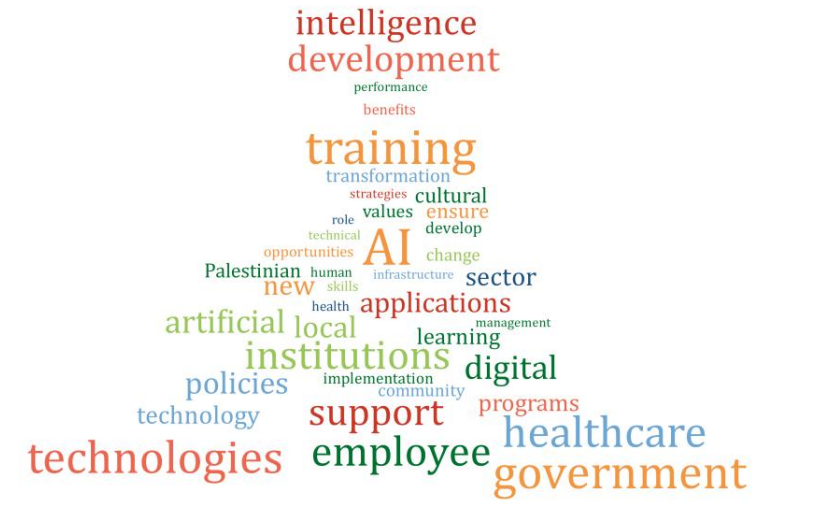
FIGURE 10: AI HRM strategies Palestine health. Type-Token Ratio (TTR) = 0.0768, word count = 3630 words.
4. Discussion of Results and Recommendations
This chapter analyzes the study’s findings in light of its research questions, hypotheses, and delimitations, comparing them with previous literature on the role of AI in HRM and administrative performance within the Palestinian healthcare sector. It also provides scientific interpretations and practical recommendations aimed at enhancing digital transformation and improving administrative efficiency.
4.1. Interpretation of questionnaire hypotheses
4.1.1. The reality of the role of artificial intelligence in human resource management in the Palestinian health sector
The analysis reveals a moderately positive trend toward the adoption of digital technologies, with variations attributed to differences in technical knowledge and digital competence. The limited acceptance of natural language processing (NLP) technologies is primarily due to a lack of familiarity, whereas attendance and leave management systems have gained wide acceptance for their ease of use. Meanwhile, applicant tracking system (ATS), satisfaction analysis tools, payroll management, and strategic planning systems remain less widespread, hindered by low awareness, limited technical skills, administrative fragmentation, and inadequate infrastructure. These findings align with Naseer et al. [13], Al-Hadi [14], and Ojogiwa et al. [15] regarding the challenges of adoption, yet contrast with Zhu [16] perspective on the rapid pace of digital transformation, as the results indicate moderate adoption and sectoral variation. The researcher concludes that successful implementation requires developing digital skills, raising awareness of automation, and establishing robust supporting infrastructure.
Applications of artificial intelligence or uses of artificial intelligence
AI contributes to improving data quality, reducing human errors, enhancing communication, increasing the accuracy of administrative decisions, ensuring integrity in recruitment, boosting productivity, reducing costs, simplifying procedures, forecasting needs, and supporting continuous learning. These findings are consistent with those of Naseer et al. [13], Zhu [16], and Joshi et al. [17] regarding these contributions. However, they differ from the view of Ghaffar et al. [18], who emphasized employees’ preference for traditional technologies and the lack of system integration, in contrast to Madancian et al. [19]. The researcher observes a growing awareness of the potential of AI, yet underscores the need for a comprehensive approach that strengthens training programs and ensures data privacy.
Barriers to application
The implementation faces several challenges, including high costs, limited digital skills, weak infrastructure, and the absence of regulatory frameworks. These findings align with those of Zhu [16], Nasrulddin et al. [20], and Olan et al. [21] regarding the effectiveness of AI in enhancing efficiency. The researcher emphasizes that these obstacles constrain the effectiveness of adoption.
Macro level
There is a growing awareness of the importance of AI, yet challenges, including high costs, limited skills, weak infrastructure, and lack of legislation, continue to hinder its implementation. Employees tend to prefer traditional applications over more advanced ones (such as NLP), underscoring the need to enhance technical competencies. The researcher concludes that effective implementation depends on developing digital skills, improving infrastructure, and adopting comprehensive training programs.
4.1.2. The contribution of artificial intelligence to improving administrative performance
Employees’ belief in the effectiveness of AI is linked to the availability of supportive factors. The highest-rated factor was developing a culture of continuous learning (mean = 4.00, agreement rate = 77.3%), followed by providing modern devices and robust networks (mean = 4.00, agreement rate = 77.4%). These findings align with Zhu [16] regarding the role of AI in enhancing productivity but differ from Ghaffar et al. [18], who prioritized financial aspects over learning and infrastructure. The researcher concludes that effectiveness depends on strengthening digital learning culture, developing infrastructure, and providing advanced analytical tools.
4.1.3. Statistical differences in respondents' responses
No statistically significant differences (α ≤ 0.05) were found between gender, age groups, educational levels, or years of experience in the assessment of the role of AI or its contribution to performance. However, significant differences were observed concerning the workplace variable, specifically within the digital transformation opportunities dimension. These findings are consistent with those of Naseer et al. [13], Thabet et al. [22], and Žibret [23], which emphasize the role of unified institutional policies in minimizing the impact of demographic disparities. The researcher concludes that developing cohesive organizational environments and promoting continuous training are critical for achieving optimal utilization of AI in administrative and operational contexts.
4.1.4. The correlational relationship between the role of artificial intelligence and administrative performance
A strong positive correlation was found between AI applications and the level of administrative performance (r = 0.618, p = 0.000). These findings are consistent with those of Naseer et al. [13], Zhu [16], and Thabet et al. [22], which confirm the significant impact of AI integration on improving management efficiency. The researcher emphasizes the importance of developing national policies that actively support digital transformation and promote sustainable technological advancement within administrative systems.
4.1.5. The impact of the role of artificial intelligence on improving administrative performance
The composite model revealed a moderate positive relationship (R = 0.419, R² = 17.6%) between digital transformation opportunities, AI enablers, and performance improvement. Digital transformation opportunities (Beta = 0.313, explanatory power = 9.8%) and the reduction of operational barriers (Beta = 0.358, explanatory power = 12.8%) both contributed significantly to enhancing performance. These findings align with those of Naseer et al. [13], Ojogiwa et al. [15], and Žibret [23], confirming that AI enhances organizational performance by supporting digital transformation and mitigating operational constraints. The researcher emphasizes the need for flexible strategies focused on developing digital infrastructure and building institutional capacities to ensure sustainable improvement and adaptability in the healthcare management context.
4.2. Commentary on the interview axes
Based on its objectives, scope, and methodology, and through its analysis of findings that addressed its research questions, this study reaffirms the role of AI in enhancing digital transformation and improving administrative performance within the Palestinian healthcare sector. The conclusions align with previous literature, thereby reinforcing the credibility and reliability of its results in contributing to the development of HRM practices in the healthcare domain.
4.2.1. Commentary on the results of the question: 'what are the artificial intelligence technologies that can be applied in human resource management in the Palestinian health sector?
The study’s findings confirm that AI technologies enhance the efficiency of HRM in the Palestinian healthcare sector. Respondents highlighted various dimensions of this impact: participants (1, 22) emphasized AI’s role in accelerating recruitment and selection, (18, 4) pointed to its contribution to learning and training development, (30, 17) underscored its importance in performance management, (7, 8) noted its value in workforce planning, (29) referred to career path development, (8, 23) mentioned its role in job evaluation and compensation, (10, 11) emphasized the automation of administrative processes, and (13) highlighted data analytics as a key function. These findings align with the results of Naseer et al. [13], Zhu [16], Li [24], Gupta et al. [25], and Kumari et al. [26], all of whom confirmed AI’s contribution to enhancing efficiency, analyzing skill gaps, and strengthening strategic HR functions. However, the results diverge from Nyathani [27] and Baki et al. [28], who warned of AI’s potential impact on job reduction. The researcher concludes that AI strengthens HR roles without undermining the need for human labor, serving instead as a strategic driver for building high-performing teams through data analysis and administrative process automation. The study stresses the necessity of advanced digital infrastructure as a foundation for the successful implementation of AI in the healthcare management environment.
4.2.2. Commentary on the results of the question: 'what is the expected impact of adopting artificial intelligence technologies on the effectiveness of communication between management and employees in the Palestinian health sector?
The study’s findings confirm that AI enhances the effectiveness of communication between management and employees in the Palestinian healthcare sector. Respondents (1, 42) highlighted its role in promoting transparency, while others (18, 19) emphasized its benefits in improving the work environment and supporting interactive training. Respondent (17) underscored the importance of automating administrative processes, whereas (30) pointed to the advantages of smart communication systems such as Slack. Furthermore, respondents (8, 9) noted the use of sentiment analysis tools and intelligent training programs as integral components of effective communication enhancement. These results are consistent with studies by Ojogiwa et al. [15], Zhu [16], Li [24], Nimmagadda et al. [29], and Bankar et al. [30], all of which confirmed AI’s contribution to promoting transparency and data analysis. However, they contrast with the findings of Nyathani [27], Enaifoghe et al. [31], Gupta [32], Rani et al. [33], and Fenwick et al. [34], who focused on AI-related risks and challenges. The researcher concludes that AI serves as a strategic tool for enhancing communication effectiveness and operational efficiency in healthcare environments through sentiment analysis, personalized training, and administrative process automation.
4.2.3. Commentary on the results of the question: 'what are the benefits of adopting artificial intelligence technologies in human resource management in the Palestinian health sector?
The study’s findings confirm that the use of AI in HRM within the Palestinian healthcare sector enhances communication between management and employees. Respondents (1, 42) emphasized its role in promoting transparency, while (30, 17) highlighted the benefits of automating administrative processes. Respondents (19, 27) noted its importance in enabling real-time communication and data analysis, and respondent (40) emphasized its contribution to improving the work environment. Moreover, respondents (37, 42, 33, 28, 35) underscored its role in specialized training and self-learning, respondent (21) pointed to its impact on employee satisfaction; and others (42, 10, 1, 15, 9) highlighted its economic feasibility. These findings are consistent with those of Naseer et al. [13], Zhu [16], Ghaffar et al. [18], Thabet et al. [22], Žibret [23], Nimmagadda et al. [29], Bankar et al. [30], and Cavanagh et al. [35], all of which confirmed AI’s effectiveness in enhancing efficiency, strengthening communication, and reducing operational costs. However, they contrast with the findings of Madancian et al. [19], Nyathani [27], Enaifoghe et al. [31], and Gupta [32], who focused on AI’s associated risks and challenges. The researcher concludes that AI serves as a strategic tool for enhancing operational efficiency, improving employee experience, increasing productivity, and achieving economic viability within the Palestinian healthcare sector.
4.2.4. Commentary on the results of the question: 'what are the challenges facing the adoption of artificial intelligence technologies in human resource management in the Palestinian health sector?
The Palestinian healthcare institutions face several challenges in implementing AI in HRM. Respondents (42, 28) identified insufficient funding and weak infrastructure as primary barriers, while (15, 12) noted a shortage of qualified personnel and concerns over data security. Respondent (10) emphasized the presence of resistance to change, and respondents (1, 5) mentioned data scarcity. Additionally, (27) highlighted high implementation costs, and (35) pointed to the absence of legislative frameworks regulating AI use. These findings are consistent with the results of Naseer et al. [13], Al-Hadi [14], Ojogiwa et al. [15], Zhu [16], Joshi et al. [17], Nasrulddin et al. [20], Thabet et al. [22], Žibret [23], Gupta et al. [25], Rani et al. [33], Fenwick et al. [34], Cavanagh et al. [35], and Bagheri et al. [36], all of which confirmed the persistence of similar obstacles to AI implementation in healthcare and other organizational contexts. However, these findings diverge from those of Madancian et al. [19], Kumari et al. [26], Enaifoghe et al. [31], and Li et al. [37], who reported more optimistic conditions for adoption in other regions. The researcher concludes that overcoming these challenges requires the implementation of robust encryption technologies, comprehensive employee training, strong governmental support, and the engagement of community leaders to build public trust and encourage acceptance of AI as an assistive, rather than substitutive, technology.
4.2.5. Commentary on the results of the question: 'what are the strategies for implementing artificial intelligence technologies in human resource management in the Palestinian health sector?
The implementation strategies of AI technologies in HRM within the Palestinian healthcare sector are considered a fundamental pillar for digital transformation. Respondents (42, 11, 30, 21) emphasized the importance of training, communication, showcasing successful models, and providing incentives to overcome resistance to change. Additionally, respondents (1, 42, 21, 19, 31) highlighted the need for coordination between healthcare institutions and the government to support policies, partnerships, research, and training, while others (17, 40, 20, 42, 1) stressed the significance of aligning AI applications with cultural norms and societal values. These findings are consistent with the results of Naseer et al. [13], Ojogiwa et al. [15], Zhu [16], Joshi et al. [17], Ghaffar et al. [18], Madancian et al. [19], Thabet et al. [22], Baki et al. [28], Nimmagadda et al. [29], Bankar et al. [30], Rani et al. [33], Cavanagh et al. [35], Bagheri et al. [36], Li et al. [37], and Grossi et al. [38], all of which confirmed the effectiveness of these strategies in facilitating digital adoption. However, they differ in certain aspects from the perspectives of Baki et al. [28], Gupta [32], Cavanagh et al. [35], Li et al. [37], and Jha [39], who identified challenges related to sustainability, governance, and cultural adaptation. The researcher concludes that enhancing communication, providing targeted training and incentives, strengthening coordination with governmental bodies, and aligning AI applications with local cultural values together form a comprehensive framework for achieving successful digital transformation in the Palestinian healthcare sector.
4.2.6. Commentary on the results of the question: 'what is the expected impact of adopting artificial intelligence technologies on the efficiency of human resource management operations in the Palestinian health sector?
The study’s findings confirm that AI enhances the efficiency of HRM in the Palestinian healthcare sector. Respondents (1, 4) emphasized its role in improving recruitment and training, while (8, 10) highlighted its benefits in planning, scheduling, and automating administrative processes. Respondents (13, 17) stressed the importance of data analysis and performance management, and others (1, 42, 11, 21, 40) noted its contribution to reducing wasted time and improving performance indicators. Furthermore, respondents (1, 42, 30, 17, 40) pointed to its effectiveness in resource management, medical data analysis, inventory control, diagnostic enhancement, and satisfaction improvement. These results align with the findings of Naseer et al. [13], Ojogiwa et al. [15], Zhu [16], Joshi et al. [17], Ghaffar et al. [18], Madancian et al. [19], Thabet et al. [22], Nimmagadda et al. [29], Bankar et al. [30], Cavanagh et al. [35], and Bagheri et al. [36], which collectively confirmed AI’s role in enhancing operational efficiency and productivity. However, they contrast with studies by Li [24], Gupta et al. [25], Kumari et al. [26], Nyathani [27], Baki et al. [28], Grossi et al. [38], and Jha [39], which focused on the risks and implementation challenges of AI in healthcare and organizational contexts. The researcher concludes that AI strengthens efficiency and productivity through improved recruitment and training, process automation, and data-driven decision-making, emphasizing the need for infrastructure investment and policy modernization to ensure a sustainable digital transformation in the Palestinian healthcare system.
4.2.7. Commentary on the results of the question: 'what is the expected impact of adopting artificial intelligence technologies on the level of employee motivation in the Palestinian health sector?
The study’s findings confirm that AI enhances employee motivation within the Palestinian healthcare sector. Respondents (1, 42) emphasized AI’s role in accelerating information access and improving communication, while (30, 17) noted its contribution to automating administrative processes and reducing workload. Furthermore, respondents (37, 42, 33, 28, 35) highlighted AI’s role in providing specialized training opportunities and supporting self-directed learning, and respondent (21) emphasized its impact on enhancing employee satisfaction. These results are consistent with the findings of Naseer et al. [13], Zhu [16], Ghaffar et al. [18], Thabet et al. [22], Bankar et al. [30], Nimmagadda et al. [29], and Cavanagh et al. [35], all of which confirmed AI’s contribution to motivation enhancement and skills development. However, they diverge from the perspectives of Nyathani [27], Enaifoghe et al. [31], and Gupta [32], who cautioned against AI’s potential risks, including overdependence on automation and reduced human engagement. The researcher concludes that AI serves as a strategic pillar for improving the employee experience and enhancing motivation by personalizing training, automating repetitive tasks, and reducing administrative burdens, ultimately leading to greater productivity and workforce stability in the healthcare sector.
4.2.8. Commentary on the results of the question: 'what is the expected impact of adopting artificial intelligence technologies on the level of employee productivity in the Palestinian health sector?
The study’s findings confirm that AI enhances employee productivity in the Palestinian healthcare sector. Respondents (1, 42) highlighted AI’s role in reducing time wasted on routine tasks and improving performance indicators, while (8, 10) emphasized its benefits in planning and automating administrative processes. Additionally, respondents (13, 17) noted its contribution to data analysis and performance management. These results are consistent with the findings of Naseer et al. [13], Zhu [16], Joshi et al. [17], Thabet et al. [22], Nimmagadda et al. [29], and Cavanagh et al. [35], which collectively affirmed AI’s effectiveness in enhancing efficiency and reducing errors. However, they differ from the perspectives of Nyathani [27], Baki et al. [28], and Gupta [32], who emphasized cost challenges and potential risks associated with AI adoption. The researcher concludes that AI serves as a strategic driver for productivity enhancement by automating operational procedures, improving diagnostic accuracy, and supporting resource management efficiency. Nonetheless, achieving sustainable performance requires continued investment in digital infrastructure to ensure the long-term viability of AI implementation within healthcare institutions.
4.3. Findings of the study
The study, aligned with its objectives, aimed to assess the effectiveness of digital transformation in developing HRM within Palestinian healthcare institutions, focusing on the role of AI technologies in enhancing administrative efficiency. The findings revealed a strong correlation between the level of digital readiness of institutions and the success of AI adoption.
- The results indicated that the effectiveness of digital transformation in HRM depends on developing digital skills, enhancing institutional awareness of the importance of automation, and upgrading technological infrastructure. There was a notable increase in employees’ acceptance of AI applications as tools to improve efficiency and promote institutional transparency.
- Despite this positive orientation toward AI adoption, several organizational and technical challenges were identified, including weak infrastructure, high costs, shortage of specialized expertise, and absence of regulatory frameworks. The study emphasized the need for specialized training investment, technological modernization, and clear policies to ensure data privacy and cybersecurity protection.
- The results highlighted the importance of unifying training and regulatory policies to reduce disparities linked to demographic and occupational variables. The success of AI adoption largely depends on organizational readiness and administrative structure, rather than individual characteristics such as gender, age, or years of experience.
- The study further showed that adopting standardized strategies for digital transformation and continuous training strengthens healthcare institutions’ capacity to adapt to digital requirements, despite structural and financial variations between the public and private sectors. It stressed the need to establish a flexible regulatory environment that supports technological transformation and contributes to sustained administrative quality and performance.
- Finally, the study concluded that there is an urgent need to develop a comprehensive national strategy that supports digital transformation, based on updating legislative frameworks, enhancing cybersecurity, and securing funding to improve infrastructure. It also recommended engaging local communities and professional leaders in raising awareness of AI’s significance as a supportive tool for human work, rather than a substitute for it.
4.4. Recommendations and suggestions
Based on the statistical analysis results and considering the challenges and opportunities of the Palestinian healthcare sector, the following professional recommendations integrate the study’s scientific findings with practical applications while accounting for cultural and institutional specificities: -
1. Administrative process automation: The study recommends prioritizing the automation of repetitive administrative processes in HRM (recruitment, performance evaluation, scheduling) to enhance efficiency. It proposes implementing real-time performance analytics systems that provide instant feedback to support data-driven decision-making, along with interactive dashboards that promote transparency through continuous monitoring of performance indicators.
2. Three-phase implementation plan
- Technical and institutional foundation: Develop digital infrastructure, strengthen communication networks, upgrade servers, and establish governance frameworks ensuring equitable and bias-free technology use.
- Institutional capacity building: Launch specialized training programs in collaboration with local universities and promote self-directed digital learning to improve employees’ technological competencies.
- Continuous evaluation and improvement: Use quantitative performance indicators, such as reduced transaction times, increased employee satisfaction, and lower error rates, to assess the tangible impact of digital transformation.
3. Policy and governance reform: The effectiveness of digital transformation requires a comprehensive review of institutional policies, including mandatory digital training for all employees and the development of data governance regulations aligned with international standards (e.g., GDPR). Job descriptions should be updated to include digital skills as a core requirement, reinforcing organizational readiness for digital change.
4. Addressing adoption barriers: To mitigate obstacles, such as resistance to change, skill gaps, infrastructure limitations, and absence of legislation, the study proposes:
- Conducting awareness workshops to foster acceptance of digital tools.
- Bridging the skills gap through partnerships with higher education institutions.
- Upgrading infrastructure via international aid and development initiatives.
- Developing national legislation to regulate and support AI integration in healthcare management.
5. Fostering technological collaboration and innovation: The study recommends strengthening collaboration with local technology companies to create customized digital solutions tailored to healthcare needs. It advocates the use of cloud computing and open-source platforms to reduce operational costs and enhance system flexibility. Moreover, it calls for supporting innovation incubators that encourage digital transformation projects in HRM, fostering a sustainable, innovation-driven healthcare ecosystem.
4.5. Future research prospects
The study’s findings open significant avenues for future research, providing opportunities to deepen understanding of the strategic, organizational, and socio-technical dimensions of AI in healthcare HRM. The proposed research directions include:
- The impact of AI adoption on administrative performance in healthcare institutions: A longitudinal analytical study - This line of research would explore the long-term effects of integrating AI tools on managerial efficiency, decision-making accuracy, and organizational adaptability within healthcare institutions.
- The role of digital leadership and organizational culture in enhancing AI effectiveness in HRM - Future studies could examine how leadership styles, digital maturity, and cultural readiness influence the success of AI deployment and its acceptance among healthcare staff.
- Analyzing digital skills gaps among demographic groups in the Palestinian healthcare sector - This investigation would identify disparities in digital literacy and competence across different demographic categories (age, gender, education, and job level) to inform targeted training and development programs.
- Cultural and organizational barriers to AI adoption in healthcare institutions - Research could focus on understanding institutional resistance, ethical perceptions, and cultural constraints that hinder the integration of intelligent systems into healthcare administration.
- Foresight into the future of healthcare jobs amid the expansion of automation and AI - This forward-looking study would assess how AI and automation are reshaping workforce structures, redefining job roles, and creating new professional competencies within the healthcare ecosystem.
References
- R. S. S. Al-Badawi, “The role of digital human resource management in achieving a competitive advantage for organizations: a case study of 6th of October University and the British University in Egypt,” Arab Journal of Administration, vol. 42, no. 4, pp. 281-294, Dec 2022.
- A. Yasser, “Human resource management and the challenges of digital transformation,” Journal of Economic and Administrative, Jun 2019.
- Artificial intelligence in 2024: Trends and challenges, Emirates Center for Strategic Studies and Research, 2024.
- R. Ewell, “The human-AI collaboration: How humans and machines are working together,” Medium, Oct 2023.
- J. Tobin, “Artificial intelligence: Development, risks and regulation,” House of Lords Library, Jul 2023.
- C. H. Huang, F. A. Batarseh, A. Boueiz, A. Kulkarni, P. H. Su, and J. Aman, “Measuring outcomes in healthcare economics using artificial intelligence: With application to resource management,” Data & Policy, vol. 3, pp. e30, 2021.
- F. Yu, C. Liu and S. Sharmin, “Performance, usability, and user experience of Rayyan for systematic reviews,” Proceedings of the Association for Information Science and Technology, vol. 59, pp. 843-844.
- S. K. Ahmed, “How to choose a sampling technique and determine sample size for research: A simplified guide for researchers,” Oral Oncology Reports, vol. 12, pp. 100662, Dec 2024.
- S. B. M. Rafi, “JotForm app builder in enhancing student engagement in business education: Usability study,” in E-Proc Natl Educ Res Innov Entrep Conf (NERIEC), 2024, pp. 178-188.
- A Abdelkader, “Sampling and sampling (how to calculate and select it),” in Proc. Conf. Found. Principles Ethics Prep., Writing Publ. Sound Sci. Res, Ouargla, Algeria, 2023.
- R. Kabir, “The systematic literature review process: A simple guide for public health and allied health students,” International Journal of Research in Medical, vol. 11, no. 9, pp. 3498–3506, Sep 2023.
- R. L. Armstrong, “The Midpoint on a Five-Point Likert-Type Scale,” Perceptual and Motor Skills, vol. 62, no. 2, pp. 359–362, 1987.
- R. Naseer, A. A. Ahmad, and A. Naseer, The role of artificial intelligence in improving the performance and efficiency of human resources management,” in Proc 5th Int Afr Conf Curr Stud, Cairo, Egypt, Feb 2022.
- M. Al-Hadi, “The impact of artificial intelligence and its effects on work and jobs,” Egyptian Association for Information Systems and Computer Technology Journal, vol. 24, no. 24, pp. 14-32, Apr 2021.
- O. T. Ojogiwa and S. R. Nhari, “Embracing Transformative Digital Human Resource Management in the Nigerian Public Sector," Digital Transformation in Public Sector Human Resource Management, E. Shava and N. Ndebele, IGI Global Scientific Publishing, 2024, pp. 135-150.
- Y. Zhu, “Research on the influence of artificial intelligence technology in enterprise human resource management on employee performance,” Frontiers in Business, Economics and Management, vol. 15, no. 3, pp. 116–119, 2024.
- A. Joshi, R. Singh and S. Rani, “Strategic adoption of artificial intelligence for human resource management practices transforming the healthcare sector,” The International Journal of Education Management and Sociology, vol. 3, no. 3, pp. 151–163, 2024.
- Ghaffar, A. Arshad, M. U. Siddqiue and A. Nasir, “AI strategy in healthcare CHRM: Analyzing the influence organization effective performance evidence from the private hospitals of Lahore, Pakistan,” Journal of Health and Rehabilitation Research, vol. 4, no. 1, pp. 639-645.
- M. Madancian and H. Taherdoost, “The impact of artificial intelligence on human resource management: Opportunities and challenges,” in 17th Int Conf Interdisciplinarity Eng, vol. 928, pp. 406-424, Mar 2024.
- V. Nasrulddin, O. A. Ajaj, A. A. Humrani and S. H. Al-Sharif, “The impact of using artificial intelligence applications during the COVID-19 crisis—A systematic review,” Global Journal of Economics and Business, vol. 13, no. 3, pp. 259–273, 2023.
- F. Olan, R. B. Nyuur, and E. O. Arakpogun, “AI: A knowledge sharing tool for improving employees’ performance,” Journal of Decision Systems, vol. 32, no. 4, pp. 700-720, Oct 2023.
- W. M. Thabet and I. M. N. Al-Shawwa, “Electronic human resource management practices and their role in improving organizational performance: An applied study - University of Palestine,” Strategic Studies and Political Research, vol. 1, no. 2, pp. 43-67, 2022.
- K. Žibret, “The transformative role of artificial intelligence in human resources,” Journal of Innovative Business and Management, vol. 16, no. 1, pp. 1-15, 2024.
- M. Li, “The impact of artificial intelligence on human resource management systems—Applications and risks,” Applied and Computational Engineering, vol. 48, pp. 7–16, Mar 2024.
- N. Gupta, M. Joshi, A. K. Agarwal and M. Kumar Tiwari, "Human-Artificial Intelligence Collaboration in HR: Applications and Challenges," Proc Int Conf Comput Intell Comput Appl (ICCICA), Samalkha, India, 2024, pp. 30-34.
- G. Kumari, A. Srivastava, and B. Hansraj, “The Utilization of Artificial Intelligence in the Health Care Sector: A Review,” Sustainable Innovation for Industry 6.0, A. Sharma, O. Moses, R. Sharma and S. Gupta, Eds., IGI Global Scientific Publishing, 2024, pp. 247-270.
- R. Nyathani, “Revolutionizing HR: AI-driven digital transformation for a competitive Edge,” International Journal of Science and Research (IJSR), vol. 10, no. 11, pp. 1465-1469, Nov 2021.
- N. U. Baki, R. M. Rasdi, S. E. Krauss, and M. K. Omar, “Integrating artificial intelligence in human resource functions: Challenges and opportunities,” International Journal of Academic Research in Business and Social Sciences, vol. 13, no. 8, pp. 1197-1211, Aug 2023.
- S. Nimmagadda, R. K. Surapaneni, and R. M. Potluri, “Chapter 10 Artificial Intelligence in HR: Employee Engagement Using Chatbots," Artificial Intelligence Enabled Management: An Emerging Economy Perspective, Rubee Singh, Shahbaz Khan, Anil Kumar and Vikas Kumar, Berlin, Eds., Boston: De Gruyter, 2024, pp. 147-162.
- S. Bankar and K. Shukla, “Performance Management and Artificial Intelligence: A Futuristic Conceptual Framework,” Contemporary Studies of Risks in Emerging Technology, Part B, S. Grima, K. Sood and E. Özen, Eds., Emerald Publishing Limited, 2023.
- A Enaifoghe, N. C. Ndebele, A. Durokifa, and X. Thusi, “Drivers of digital transformation and their efficacy in public sector human resource management,” In Digital Transformation in Public Sector Human Resource Management, E. Shava and N. Ndebele, Eds., IGI Global Scientific Publishing, 2024, pp. 41-62.
- R. Gupta, “Impact of artificial intelligence (AI) on human resource management (HRM),” International Journal for Multidisciplinary Research, vol. 6, no. 3, pp. 21444, 2024.
- Rani and T. Kajla, "Artificial Intelligence Applications in Human Resource Management: A Bibliometric Content Analysis and Future Research Agenda." AI and Emotional Intelligence for Modern Business Management, B. Bhardwaj, D. Sharma, and M. Dhiman, Eds., IGI Global Scientific Publishing, 2023, pp. 178-193.
- A. Fenwick, G. Molnar and P. Frangos, “The critical role of HRM in AI-driven digital transformation: a paradigm shift to enable firms to move from AI implementation to human-centric adoption,” Discover Artificial Intelligence, vol. 4, no. 34, May 2024.
- J. Cavanagh, P. Pariona‐Cabrera and B. Halvorsen, “In what ways are HR analytics and artificial intelligence transforming the healthcare sector?” Asia Pacific Journal of Human Resources, vol. 61, no. 4, pp. 785–793, Oct 2023.
- M. Bagheri, M. Bagheritaba, S. Alizadeh, M. S. Parizi, P. Matoufinia and Y. Luo, “AI-Driven Decision-Making in Healthcare Information Systems: A Comprehensive Review,” Preprint, June 2024.
- P. Li, A. Bastone, T. A. Mohamad and F. Schiavone, “How does artificial intelligence impact human resources performance? Evidence from a healthcare institution in the United Arab Emirates,” Journal of Innovation & Knowledge, vol. 8, no. 2, pp. 100340, 2023.
- A Grossi et al., “Hospital contextual factors affecting the implementation of health technologies: a systematic review,” BMC Health Services Research, vol. 21, no. 401, May 2021.
- R. Jha, “Incorporating Generative Ai into Human Resource Practices,” SSRN Electronic, May 2024.
Contact Us

 This work is licensed under a Creative Commons Attribution 4.0 International License. Copyright © 2026 LANASH SCIENCE Inc, All Rights Reserved.